

Head & Shoulder pattern
When Momentum Fades, Structure Prevails
The Anatomy of a Trend Reversal
In the world of Technical Tools, the Head and Shoulders pattern is regarded as one of the most consistent and mathematically sound indicators of a trend reversal. While Market Trends are built on higher highs and higher lows, the H&S pattern captures the exact moment that structure fails. It represents a psychological shift from aggressive optimism to growing fear. Whether you are observing a Bearish Top or an Inverse Head and Shoulders (Bullish Bottom), this pattern allows you to exit a dying trend or enter a new one with high-precision Discipline & Risk Management.
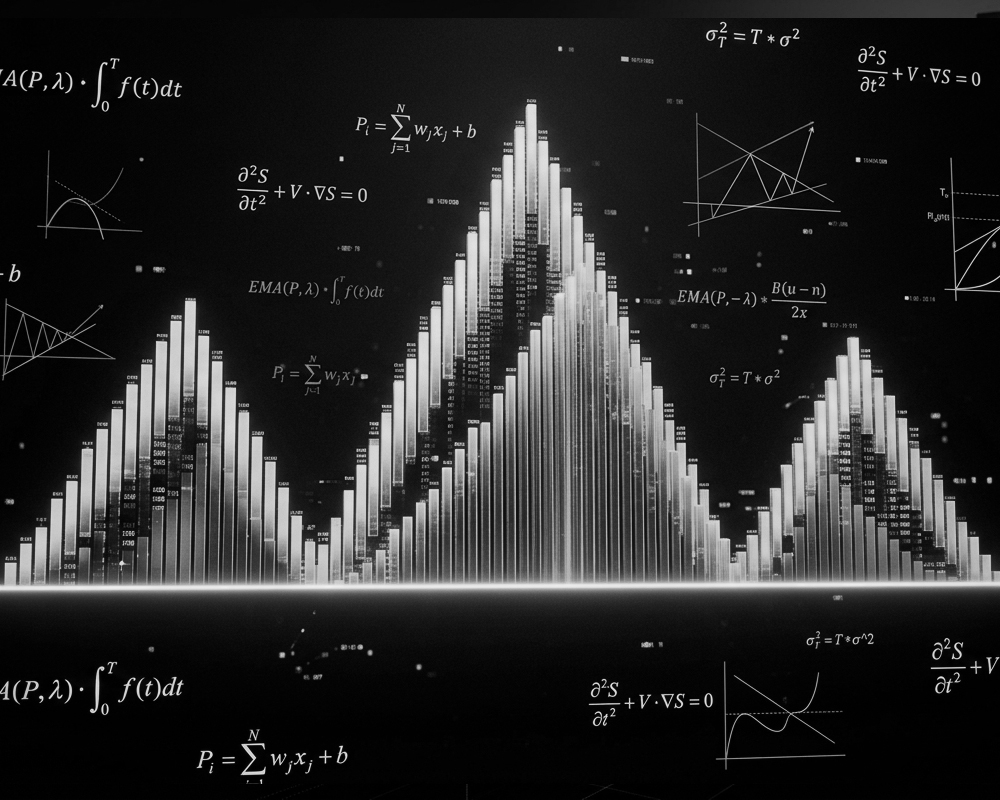

Breaking Down the Structure: The H&S Top
A standard Head and Shoulders Top appears at the peak of an uptrend and signals a transition into a bearish phase. It consists of four critical components that tell the story of a failing rally:
The Left Shoulder: Price rallies to a new high, followed by a minor pullback. At this stage, the Smart Trading Mindset still views this as a healthy trend.
The Head: Price surges to a higher peak, surpassing the left shoulder, but immediately faces strong rejection. This is often the point of maximum retail FOMO.
The Right Shoulder: Price rallies again but fails to reach the height of the Head. This is the “Tell.” It proves that buyers no longer have the strength to push for new highs.
The Neckline: This is the horizontal or slightly sloped support line connecting the two “troughs” of the pattern.
The Inverse Head and Shoulders: The Bullish Rebirth
The Inverse Head and Shoulders is the mirror image, occurring at the end of a downtrend. It signals that sellers are exhausted and that a new bullish cycle is beginning. In assets like Bitcoin, an inverse H&S on a high timeframe (like the Daily or Weekly) is often the signal for a major “Crypto Summer.” Just like the top version, the “Right Shoulder” of the inverse pattern shows that sellers failed to create a new lower low, shifting the Probabilities vs. Certainties edge in favor of the bulls.
The Role of Volume: The Lie Detector
A Head and Shoulders pattern without Volume Analysis is just a drawing. In a textbook H&S Top:
Volume should be highest on the Left Shoulder.
Volume often decreases on the Head, suggesting the rally is “thin.”
Volume is typically lowest on the Right Shoulder.
The Confirmation: A massive spike in volume must occur when the price finally breaks the Neckline. Without a volume surge, the breakout is likely a “fakeout.”
Trading the Setup: Targets and Protection
One reason professional traders love this pattern is that it provides a mathematical roadmap for the trade.
The Entry: Wait for a confirmed candle close below (or above) the Neckline.
The Price Target: Measure the vertical distance from the peak of the Head to the Neckline. Project that same distance downward from the breakout point. This gives you a Realistic Expectation for your profit target.
The Stop-Loss: Place your protection just above the peak of the Right Shoulder. If the price returns above this level, the H&S structure is invalidated.
Conclusion: Patience Over Prediction
The most common mistake beginners make is “anticipating” the pattern—entering before the Right Shoulder even forms. Professionalism requires waiting for the Neckline to break. The Head and Shoulders is a map of institutional distribution; by the time the Neckline cracks, the “Big Money” has already exited. By following this structure and using Support and Resistance for confluence, you can capture major trend shifts with clinical precision.
Concise market insight, delivered to your inbox.
By subscribing, you agree to our Terms of Service and Privacy Policy.