

Trend Reversals & Trend Continuations
Spot the Pause, Ride the Pivot
The Mechanics of Market Waves: Continuation vs. Reversal
Financial markets never move in a straight line; they move in a series of rhythmic waves. In the world of Technical Tools, the ability to distinguish between a temporary “breather” and a permanent “change in guard” is the most valuable skill a trader can possess. A Trend Continuation suggests the current momentum still has fuel, while a Trend Reversal signals a total shift in market psychology. By mastering these patterns in Bitcoin or Ethereum, you ensure your Smart Trading Mindset remains objective, allowing you to ride winning trends longer and exit losing ones faster.
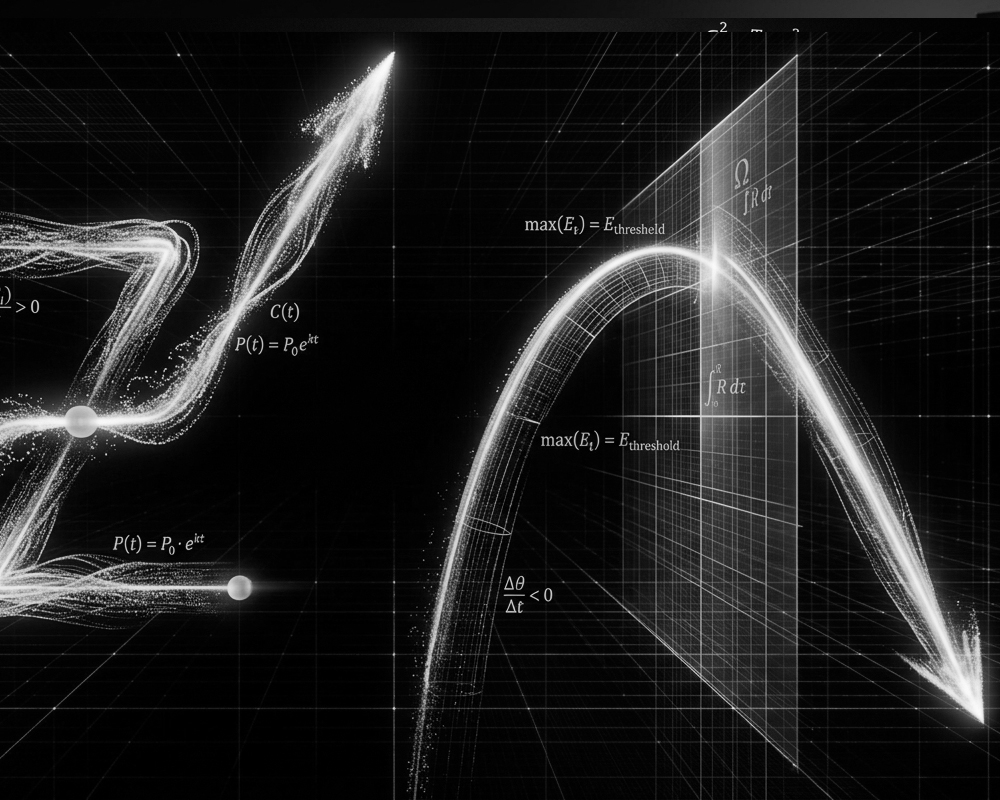
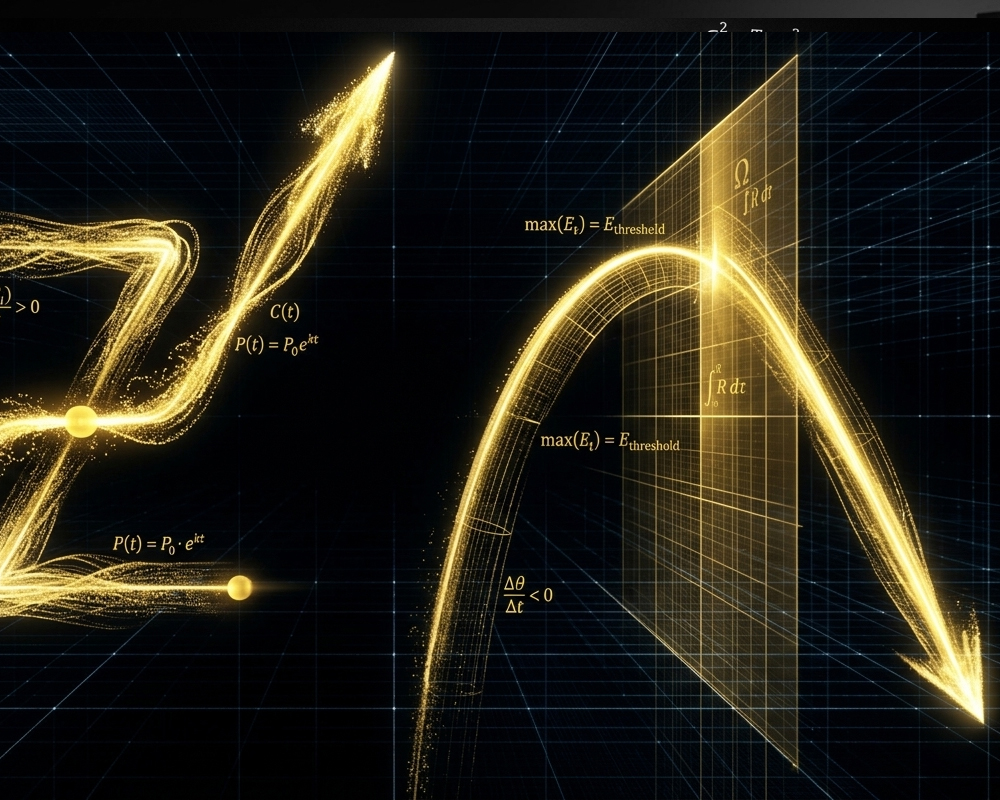
Trend Continuation: The Market Catching Its Breath
A continuation pattern indicates that the prevailing Market Trend is merely pausing to consolidate before resuming its original direction. Think of this as “re-fueling.” During these phases, the “Big Money” is often adding to positions while impatient retail traders are shaken out.
How to Identify: Look for a sharp, high-volume “Pole” (the initial move) followed by a low-volume consolidation (the Flag or Pennant).
The Signal: The trend is confirmed when the price breaks out of the consolidation zone with a fresh surge in Volume Analysis.
Common Patterns: Bull and Bear Flags, Pennants, and Symmetrical Triangles. These are the most reliable setups for “Trend Following” strategies.
Trend Reversal: The Shift in Power
A trend reversal is a more significant event. it represents the moment where the balance of power completely flips from Bulls to Bears (or vice versa). Reversals are rarely instant; they are usually a process of “Exhaustion” where the previous trend fails to make a new high or low.
How to Identify: Watch for a break in “Market Structure”—for example, an uptrend failing to create a Higher High and instead creating a Lower High.
The Signal: Confirmation occurs when a major Support and Resistance level or “Neckline” is broken on high volume.
Common Patterns: Head and Shoulders, Double Tops/Bottoms, and Wedge Reversals. These patterns offer the highest reward-to-risk ratios but require the most Discipline & Risk Management.
Strategic Comparison: How to Choose Your Move
| Feature | Trend Continuation | Trend Reversal |
| Market Context | Mid-trend “rest” | End of a major move |
| Volume Profile | Decreases during the pause | Spikes during the climax/pivot |
| Trade Logic | “Buy the Breakout/Dip” | “Sell the Top / Buy the Bottom” |
| Reliability | High (Trend is your friend) | Moderate (Harder to time) |
The “Trap” of the Fakeout
The greatest danger for any trader is misidentifying a reversal as a continuation (or vice versa). This is why professionals rely on Probabilities vs. Certainties. A “Bull Flag” that fails to break upward and instead crashes through the bottom support has likely become a reversal. Never “anticipate” the move—always wait for the Break and Retest of the pattern boundaries. By combining these patterns with Moving Averages, you gain a secondary filter: if the price is far above the 200-day MA, a small dip is likely a continuation; if it’s hugging the MA, a reversal is more probable.
Conclusion: Mastering the Transition
Whether you are trading Solana or a traditional stock, the goal remains the same: identify the structure. Continuation patterns allow you to compound your gains in a healthy trend, while reversal patterns protect your capital from the inevitable “end of the party.” Success comes to those who wait for the market to reveal its hand. Let the price action and volume confirm the story, and then execute your plan with clinical precision.
Concise market insight, delivered to your inbox.
By subscribing, you agree to our Terms of Service and Privacy Policy.